Thursday, July 28, 2011
A time and place for pizza
Very quick post, as I'm just about to go away for a few days (see Elsewoman), so tonight seemed like the perfect time to have pizza. Julio will be delighted - last night he was practising with me how to say "It's a long time since I had pizza" (past tense) or "I haven't had pizza for a long time" (past perfect). Fortunately we have a Mediterranean Warehouse pizza place nearby, and they really do make the best pizza in Wellington. He favours very traditional pizza which he calls Calabrese, but which sounds more like what I know as Margherita - very simple, with tomato, mozzarella and basil. Fast (we're going to hear the Sami Sisters later tonight), nothing to clear up (early start tomorrow), and makes a nice change for me from cooking. But we did have smoked salmon, bread and cream cheese jsut now - he thought he wouldn't like the smoked salmon, but one bite and he was won over. It's fun introducing people to new things.


Sunday, July 24, 2011
Brazilian buns
This week my first paying guest arrived (see Elsewoman). His name is Julio, and he immediately asked me - before he'd even tried my cooking - if I would provide dinner for him. Obviously he was putting a trusting faith in the immodest claim in my ad that "I have a very good reputation as a cook".
Fortunately he does like my food, and it's lovely for me having someone to eat with every night. While he doesn't cook himself, he has worked in a bakery, and when we went shopping last week, he suggested that he could make his aunt's recipe for "condensed milk bread" (though in fact they're buns) - pão de leite condensado. It was a very good thing to do on a horribly cold, wet day.

Pão de leite condensado
Put in the food processor:
2 eggs
1/2 tin sweetened condensed milk
The same amount of warm water
1/2 cup canola oil
1/2 tsp salt
Process until combined, then add yeast.
Julio usually uses 1/2 cake of compressed yeast - he sprinkles it over the top of the mixture and leaves it for 5 minutes. But we could only find dried yeast, so we did it this way:
Dissolve 1 and 1/2 tsps sugar in a cup of warm water.
Sprinkle over 1 slightly rounded Tbsp active dried yeast (do not stir) and leave for 10 minutes.
Add to egg mixture.
In a large bowl, mix
500g high grade (bread) flour
with the egg and yeast mixture to make a fairly stiff dough.
Cover and leave to rise in a warm place for about 1 hour. (We resorted to covering the bowl with plastic wrap and putting it in a sinkful of warm water with the chopping board on top.)

Leave to rise again for 30 minutes
(the top of the stove is a good place, because it's warm).
Bake for 15-20 minutes, or until golden-brown on top.
When the buns come out of the oven, the correct way to finish them is to paint them with melted butter and dust them with powdered parmesan cheese. I didn't have any, and in any case I thought I'd prefer mine just plain. We tried putting grated cheddar on some for Julio, but it didn't stay on very well. Still, they were delicious that day, and next morning they were wonderful cut in half and toasted - they tasted like brioche.

Fortunately he does like my food, and it's lovely for me having someone to eat with every night. While he doesn't cook himself, he has worked in a bakery, and when we went shopping last week, he suggested that he could make his aunt's recipe for "condensed milk bread" (though in fact they're buns) - pão de leite condensado. It was a very good thing to do on a horribly cold, wet day.

Pão de leite condensado
Put in the food processor:
2 eggs
1/2 tin sweetened condensed milk
The same amount of warm water
1/2 cup canola oil
1/2 tsp salt
Process until combined, then add yeast.
Julio usually uses 1/2 cake of compressed yeast - he sprinkles it over the top of the mixture and leaves it for 5 minutes. But we could only find dried yeast, so we did it this way:
Dissolve 1 and 1/2 tsps sugar in a cup of warm water.
Sprinkle over 1 slightly rounded Tbsp active dried yeast (do not stir) and leave for 10 minutes.
Add to egg mixture.
In a large bowl, mix
500g high grade (bread) flour
with the egg and yeast mixture to make a fairly stiff dough.
Cover and leave to rise in a warm place for about 1 hour. (We resorted to covering the bowl with plastic wrap and putting it in a sinkful of warm water with the chopping board on top.)

Heat oven to 220C and oil an oven tray.
Oil your hands and form the risen dough into neat round buns - it makes about 12 - and spread them out on the tray.Leave to rise again for 30 minutes
(the top of the stove is a good place, because it's warm).
Bake for 15-20 minutes, or until golden-brown on top.
When the buns come out of the oven, the correct way to finish them is to paint them with melted butter and dust them with powdered parmesan cheese. I didn't have any, and in any case I thought I'd prefer mine just plain. We tried putting grated cheddar on some for Julio, but it didn't stay on very well. Still, they were delicious that day, and next morning they were wonderful cut in half and toasted - they tasted like brioche.

Friday, July 15, 2011
Shelling out
Every so often I know some kind of pasta with lots of sauce is what I really want to eat. When I felt like this on Saturday and opened my Food of Italy, out fell a months-old Dom-Post clipping - a Jill Dupleix recipe for pasta shells with pork ragu and parmesan cream.
I had everything listed except the shells. My first impulse was to make do with one of the other five kinds of pasta in the pantry, but it was a nice day, so I stifled that unworthy thought and set off for Gamboni's. His beautiful shells were superbly named
"conchiglioni al bronzo", making them sound like an Italian toyboy.
![]() They cost $6.95. Once upon a time I would have thought, "that's a whole $4 more than supermarket pasta - no, that's too much". But now I've learnt better - the right thing to compare it with is the cost of eating the same dish in a restaurant, twice.
They cost $6.95. Once upon a time I would have thought, "that's a whole $4 more than supermarket pasta - no, that's too much". But now I've learnt better - the right thing to compare it with is the cost of eating the same dish in a restaurant, twice.
So here's the recipe. It's a little ironic, because Dupleix's latest book is called Lighten Up, and on her website she says, "I have always loved good food, but now I want it to be good for me too. So I have learned how to lighten up on everything but freshness and flavour, without the cream, pastry and unnecessary animal fats that slow me up and weigh me down." There are lots of veges in this - but the cream is the whole point...
![]()
Pasta shells with pork ragu and parmesan cream (Jill Dupleix)
It says "serves 4" but that must mean four starving Italians - I reckon this will feed at least 6.
(original recipe photo)
2 Tbsp olive oil
1 Tbsp butter
1 onion, finely diced
50g pancetta or ham, finely diced
2 medium carrots, finely diced
1 celery stalk, finely diced
2 garlic cloves, finely grated
500g coarsely minced pork
1 Tbsp plain flour
400ml tomato passata
2 Tbsp tomato paste
1/2 tsp dried oregano (I used more of the fresh leaves)
salt and pepper
2 Tbsp flat-leaved parsley, chopped
250g large pasta shells (e.g. conchiglioni) (so I got this EXACTLY right!)
150g frozen peas (I admit, I left these out)
Parmesan cream
150ml cream
50g grated parmesan
1 tsp grated lemon zest
a few fine grates of nutmeg
* If you have a food processor, instead of finely dicing the veges by hand, put chunks of onion, peeled carrot and celery into the bowl and pulse until finely chopped together.
* Heat 1 Tbsp olive oil in a large pan, gently cook garlic, then add veges and cook gently for 10 minutes. Add pork and cook till browned. Scatter with flour and cook for another 2 minutes, then add tomato passata and paste, oregano, parsley, salt, pepper and 300ml water. Stir well and simmer gently for 45 minutes, stirring occasionally, until thickened.
* Put large pot of water on to boil for pasta. Heat oven to 180C. Cook pasta shells in boiling salted water until just tender (I find this takes about 10 minutes), then scoop out and drain carefully (the water tends to get stuck inside them). Cook peas, if using them, in the pasta water for 1 minute, then drain.
* Toss shells in the other 1 Tbsp olive oil. Spoon the ragu into each shell and arrange in a lightly oiled baking dish. (I found it was easier to arrange them first and then fill them.) Scatter with peas and put another couple of large spoons of ragu over the top.
* In a small pan, gently heat the cream with most of the parmesan, lemon zest, nutmeg, salt and pepper. Pour over the top and scatter with remaining parmesan. Bake for 20 minutes until golden and bubbling.
![]()
I had everything listed except the shells. My first impulse was to make do with one of the other five kinds of pasta in the pantry, but it was a nice day, so I stifled that unworthy thought and set off for Gamboni's. His beautiful shells were superbly named
"conchiglioni al bronzo", making them sound like an Italian toyboy.

So here's the recipe. It's a little ironic, because Dupleix's latest book is called Lighten Up, and on her website she says, "I have always loved good food, but now I want it to be good for me too. So I have learned how to lighten up on everything but freshness and flavour, without the cream, pastry and unnecessary animal fats that slow me up and weigh me down." There are lots of veges in this - but the cream is the whole point...

Pasta shells with pork ragu and parmesan cream (Jill Dupleix)
It says "serves 4" but that must mean four starving Italians - I reckon this will feed at least 6.
(original recipe photo)
2 Tbsp olive oil
1 Tbsp butter
1 onion, finely diced
50g pancetta or ham, finely diced
2 medium carrots, finely diced
1 celery stalk, finely diced
2 garlic cloves, finely grated
500g coarsely minced pork
1 Tbsp plain flour
400ml tomato passata
2 Tbsp tomato paste
1/2 tsp dried oregano (I used more of the fresh leaves)
salt and pepper
2 Tbsp flat-leaved parsley, chopped
250g large pasta shells (e.g. conchiglioni) (so I got this EXACTLY right!)
150g frozen peas (I admit, I left these out)
Parmesan cream
150ml cream
50g grated parmesan
1 tsp grated lemon zest
a few fine grates of nutmeg
* If you have a food processor, instead of finely dicing the veges by hand, put chunks of onion, peeled carrot and celery into the bowl and pulse until finely chopped together.
* Heat 1 Tbsp olive oil in a large pan, gently cook garlic, then add veges and cook gently for 10 minutes. Add pork and cook till browned. Scatter with flour and cook for another 2 minutes, then add tomato passata and paste, oregano, parsley, salt, pepper and 300ml water. Stir well and simmer gently for 45 minutes, stirring occasionally, until thickened.
* Put large pot of water on to boil for pasta. Heat oven to 180C. Cook pasta shells in boiling salted water until just tender (I find this takes about 10 minutes), then scoop out and drain carefully (the water tends to get stuck inside them). Cook peas, if using them, in the pasta water for 1 minute, then drain.
* Toss shells in the other 1 Tbsp olive oil. Spoon the ragu into each shell and arrange in a lightly oiled baking dish. (I found it was easier to arrange them first and then fill them.) Scatter with peas and put another couple of large spoons of ragu over the top.
* In a small pan, gently heat the cream with most of the parmesan, lemon zest, nutmeg, salt and pepper. Pour over the top and scatter with remaining parmesan. Bake for 20 minutes until golden and bubbling.

I think I took this before I cooked it - I was sure I'd taken one after as well, but it's vanished. Annoying, because the finished dish looked exactly like the picture (minus the peas). But you get the idea. Ample red wine, a green salad and enough other people to stop you making a total maiale of yourself are the only other things you need. Buon appetito.
Thursday, July 7, 2011
Small pleasures
Last week ran away on me, with many visitors and lots of household sorting out (see Elsewoman). While I did do a lot of cooking, everything I made had either already been posted here or else had no good pictures (usually because it got eaten). So this week I thought I'd just put together a few of the small food pleasures that have come my way lately.
![]()
First, this beautiful new-laid egg. My friend Fiona grew up with hens and chickens, and says she can't believe how old the eggs in the supermarket are (you can tell by putting them in water and seeing if they float). She gave me this one, fresh from her hens, to bring home for my breakfast. Harvey bought me the pink cat egg-cup nearly thirty years ago in Auckland.
Second, this very simple first course: mild sopresa salami freshly cut for me by Tony at Gamboni's in Karori, and small red Peppadew peppers stuffed with my homemade boursin. The combination of mild, smooth, sharp and salty was very good.
![]()
![]()

First, this beautiful new-laid egg. My friend Fiona grew up with hens and chickens, and says she can't believe how old the eggs in the supermarket are (you can tell by putting them in water and seeing if they float). She gave me this one, fresh from her hens, to bring home for my breakfast. Harvey bought me the pink cat egg-cup nearly thirty years ago in Auckland.
Second, this very simple first course: mild sopresa salami freshly cut for me by Tony at Gamboni's in Karori, and small red Peppadew peppers stuffed with my homemade boursin. The combination of mild, smooth, sharp and salty was very good.

And third - this is really cheating - this sensational selection of chocolate blocks, chocolate truffles and marzipan, a belated birthday present from Ulrike, Matthias and Lisa in Germany. Naturally, I'll be sharing it around. Well, some of it. To some extent. Of course I will.

Saturday, June 25, 2011
A closer look
Not a lot going on in my kitchen today (see Elsewoman). But I did have a superb mushroom soup for lunch, finished with lemon juice and zest - I got the recipe and will post it when I've tried it out. Dinner was a quick and simple combination of clams in their juice with vermouth, cream and parsley, served over spaghetti.
![]()
But before I made this, I went out to the garden in the late afternoon and picked the last of the raddichio. The punnet of seedlings I planted in that pot was labelled "Cos lettuce" - I wanted it for Caesar salads. But I was more cheerful about having raddichio instead when I found it was selling in Moore Wilson for $25 a kilo. Today its beauty made me feel better - Harvey would have approved of it.
![]()
![]()

But before I made this, I went out to the garden in the late afternoon and picked the last of the raddichio. The punnet of seedlings I planted in that pot was labelled "Cos lettuce" - I wanted it for Caesar salads. But I was more cheerful about having raddichio instead when I found it was selling in Moore Wilson for $25 a kilo. Today its beauty made me feel better - Harvey would have approved of it.


Thursday, June 16, 2011
California sunshine

For a professed non-baker, the number of cake posts seems to be increasing rather fast, but that's just too bad - or good. For a dessert last week I made one I found years ago in a US vegetarian cookbook. (I kept only this one recipe and have since lost the book, so I can't recall who wrote it.) I know New Zealand oranges are really out of season, but as it's a Californian recipe, I thought it would be okay to use Californian oranges.
The original quantities contain mysterious US measurements like "a stick of butter" (about 60 grams, so my American friends tell me). The recipe also specifies " "buttermilk" (I use half milk and half plain yoghurt) and "pastry flour", which is apparently halfway between "cake flour" (only 8 to 9 percent protein) and normal flour (11% protein or more). We don't have either cake flour or pastry flour - well, I've never seen any here - but I just use normal standard flour and it seems to work fine.
Californian orange and raisin cake
2 oranges
1 cup seedless raisins
60 g butter
1 cup white sugar
2 eggs
1 tsp salt
1/3 cup milk, mixed with 1/3 cup plain yoghurt
2 cups sifted white flour
1 tsp baking soda
another 1/4 cup white sugar
1/4 cup orange flavoured liqueur (I use a cheapish triple sec, it's less sweet)
- Set oven to 180C.
- Prepare cake tin - a well greased ring tin carefully lined with paper on the bottom works well, or use a medium-sized square tin lined with baking paper - have it coming up the sides and extending a little beyond the rim so you can lift the cake out easily later.
- Juice the oranges, strain juice and set it aside. Grind the two orange rinds in a food processor with the raisins.
- Add all other ingredients except the orange juice, and process just to combine.
- Spread evenly in tin and bake for about 45 minutes - a square tin takes a little longer - until a skewer ot thin knife inserted in the middle comes out clean.
- While cake is baking, mix 3/4 cup of the orange juice, the second 1/4 cup sugar, and the liqueur in a jug.
As soon as the cake comes out of the oven, spoon this liquid evenly all over the top.
- When the cake is almost cold and has absorbed the liquid, either lift it carefully out of the square tin using the bake paper, or for a ring tin, turn it carefully out onto a plate and then immediately invert it onto another plate so the top is again on top.

It has a really fruity, moist texture and tastes beautifully orangey, but not too sweet - I use less sugar than the original recipe. I'm afraid this is the last slice (yes, once again I forgot to snap it before we ate it), and it's a bit fuzzy - the photo, not the cake. If you have leftover cake, keep it in the fridge and take it out ahead of time, or warm it up gently, if you want to serve it for dessert - it shouldn't be eaten really cold. You can serve it with whipped cream, slightly flavoured with orange liqueur, or with yoghurt - vanilla is nice.
Thursday, June 9, 2011
Such a simple lemon cake...
Now this post will probably be of no use to all those savvy readers who've been making this cake ever since they could first say "Alison Holst". But as I thought there just might be someone out there who hadn't heard about it, and it's the only cake I set out to make that never, ever goes wrong, I thought it would be worth writing about. I got some free lemons from my friends from Linton, and I needed something to serve as dessert, so I made it for Monday night. I originally got the recipe from Ali, but she says it's really from the other Alison. The ingredients are listed in the order you use them.
Lemon Yoghurt Cake
1 and 3/4 cups sugar (I cut this down a little to 1 and 1/2)
rind of two medium lemons
2 eggs
1 cup oil
1/2 tsp salt
1 cup yoghurt (any kind, plain or sweetened, though of course lemon is good - but more expensive)
2 to 3 tbsp lemon juice
2 cups self-raising flour
Set oven to 180C. Grease and flour cake tin - a ring tin with baking paper on the bottom works well. Or else just put baking paper into a square tin.
Put sugar and lemon rind into food processor bowl. Process until completely combined.
Add eggs, oil and salt. Process until thick and smooth.
Add yoghurt and lemon juice and process to mix.
Add flour and process briefly, just to combine.
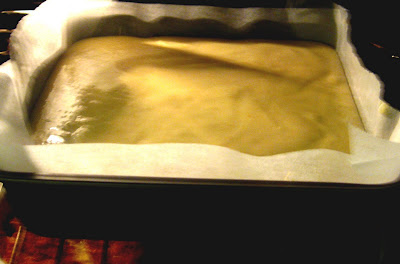
Pour into tin and bake at 180C for about 40 minutes, until a skewer inserted in the middle comes out clean. (A square tin may take a bit longer.) Cool for 10 minutes before removing from tin.
Serve with icing sugar sieved over the top, and/or either whipped cream or plain or lemon yoghurt or lemon sorbet.

Lemon Yoghurt Cake
1 and 3/4 cups sugar (I cut this down a little to 1 and 1/2)
rind of two medium lemons
2 eggs
1 cup oil
1/2 tsp salt
1 cup yoghurt (any kind, plain or sweetened, though of course lemon is good - but more expensive)
2 to 3 tbsp lemon juice
2 cups self-raising flour
Set oven to 180C. Grease and flour cake tin - a ring tin with baking paper on the bottom works well. Or else just put baking paper into a square tin.
Put sugar and lemon rind into food processor bowl. Process until completely combined.
Add eggs, oil and salt. Process until thick and smooth.
Add yoghurt and lemon juice and process to mix.
Add flour and process briefly, just to combine.

Pour into tin and bake at 180C for about 40 minutes, until a skewer inserted in the middle comes out clean. (A square tin may take a bit longer.) Cool for 10 minutes before removing from tin.
Serve with icing sugar sieved over the top, and/or either whipped cream or plain or lemon yoghurt or lemon sorbet.

As you can see, it's still a tiny bit damp at the bottom - I was in a hurry and took it out of the oven slightly too soon - but as it was for dessert, that didn't matter in the slightest. I served it with a quick syrup made from lemon curd heated up with a little juice and water.
Subscribe to:
Posts (Atom)


 Posts
Posts


